
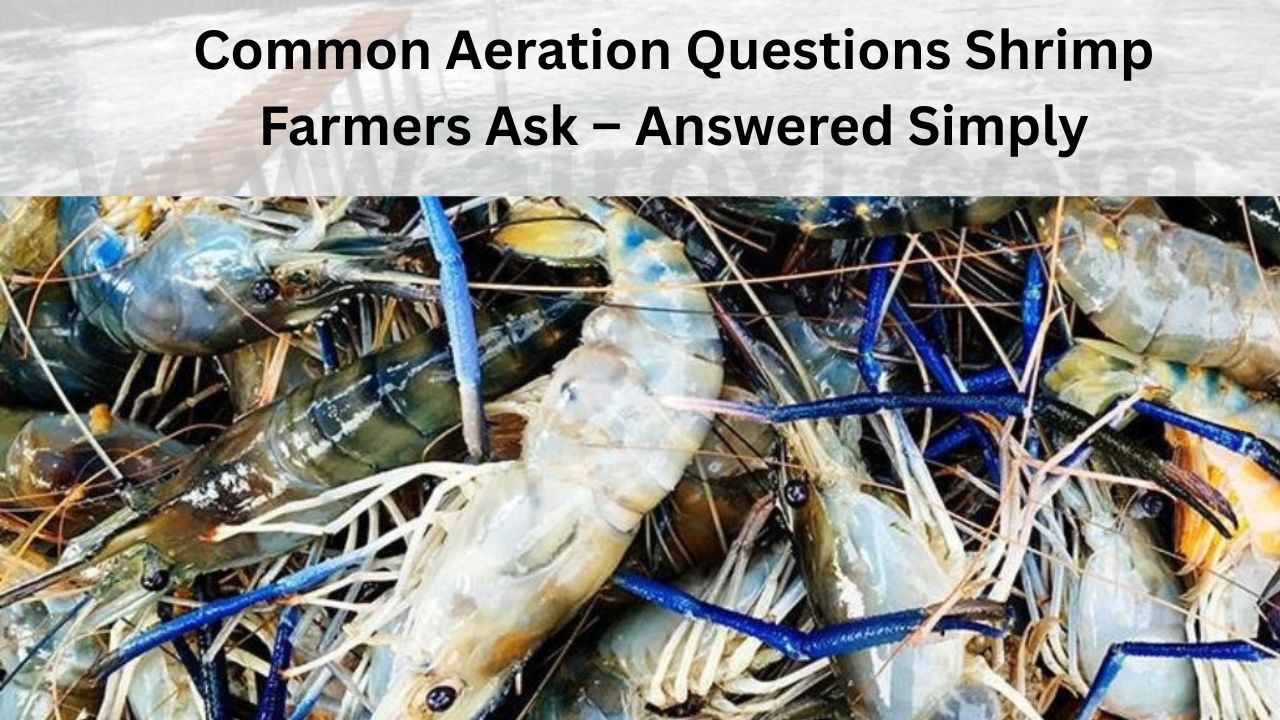
Aeration is one of the most discussed—and misunderstood—topics in shrimp farming. Most farmers don’t search for product names or technologies. They search for solutions to problems they see in their ponds.
This blog answers the real questions shrimp farmers ask about aeration in nurseries and grow-out ponds.
Why Do Shrimp Gather Near the Pond Edge or Surface at Night?
This usually happens due to low dissolved oxygen (DO) in the pond, especially near the bottom.
At night:
- Algae stop producing oxygen
- Shrimp respiration increases
- Organic waste consumes oxygen near the pond floor
If oxygen is only available at the surface, shrimp move upward or toward aerators to survive.
Bottom aeration helps maintain oxygen where shrimp live, preventing this behaviour.
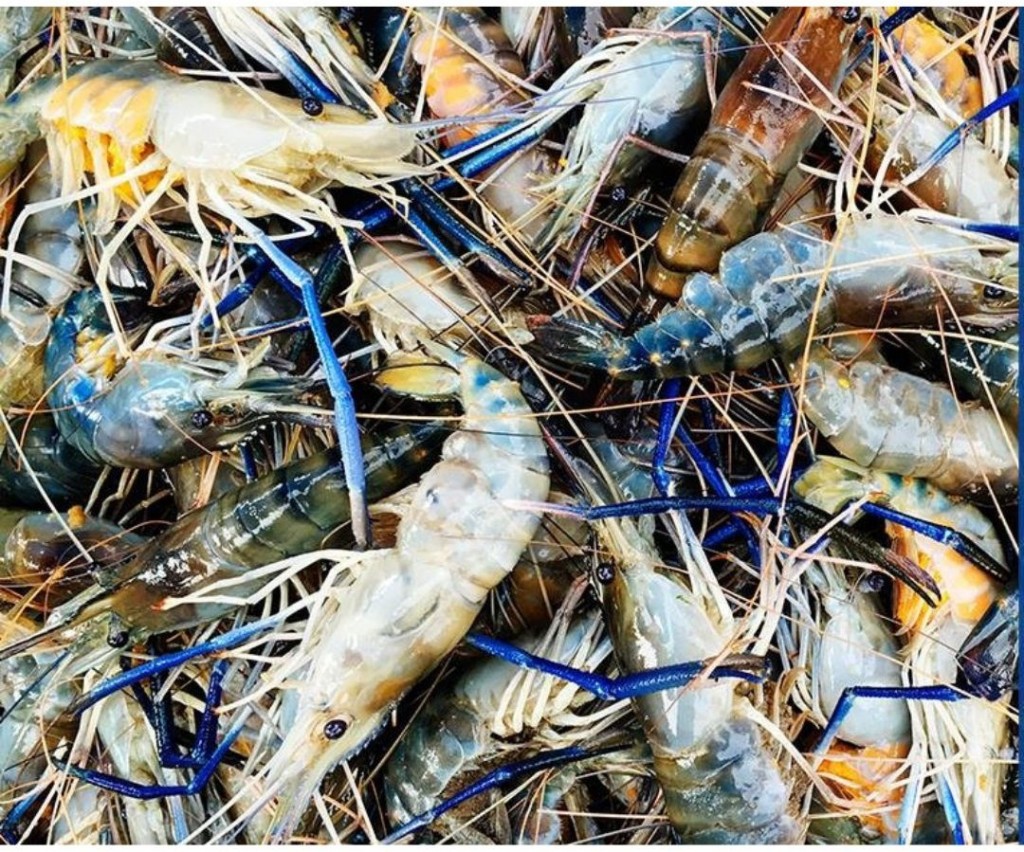
Is Surface Aeration Enough for Shrimp Farming?
Surface aerators mainly:
- Oxygenate the top layer of water
- Create strong currents near the machine
- Leave the pond bottom under-aerated
For low stocking densities, this may be sufficient.
For nurseries, biofloc systems, or intensive grow-out ponds, surface aeration alone is usually not enough.
Bottom-level oxygen supply is critical as biomass increases.
Why Does My Pond Bottom Turn Black and Smell Bad?
A black, foul-smelling pond bottom indicates:
- Low oxygen at the bottom
- Formation of anaerobic conditions
- Presence of toxic gases like hydrogen sulphide (H₂S)
This often leads to:
- Poor shrimp growth
- Weak moulting
- Sudden mortality
Aeration that reaches the pond bottom prevents these conditions by keeping the soil aerobic.
How Can I Improve Oxygen at the Pond Bottom?
To improve bottom oxygen:
- Use aeration systems that release air near the pond floor
- Ensure oxygen is distributed evenly across the pond
- Avoid relying only on high-turbulence surface aerators
Fine air bubbles rising slowly from the bottom improve oxygen transfer and circulation without stressing shrimp. More info https://airoxitube.blogspot.com/2025/02/what-is-ideal-aeration-setup-for-shrimp.html
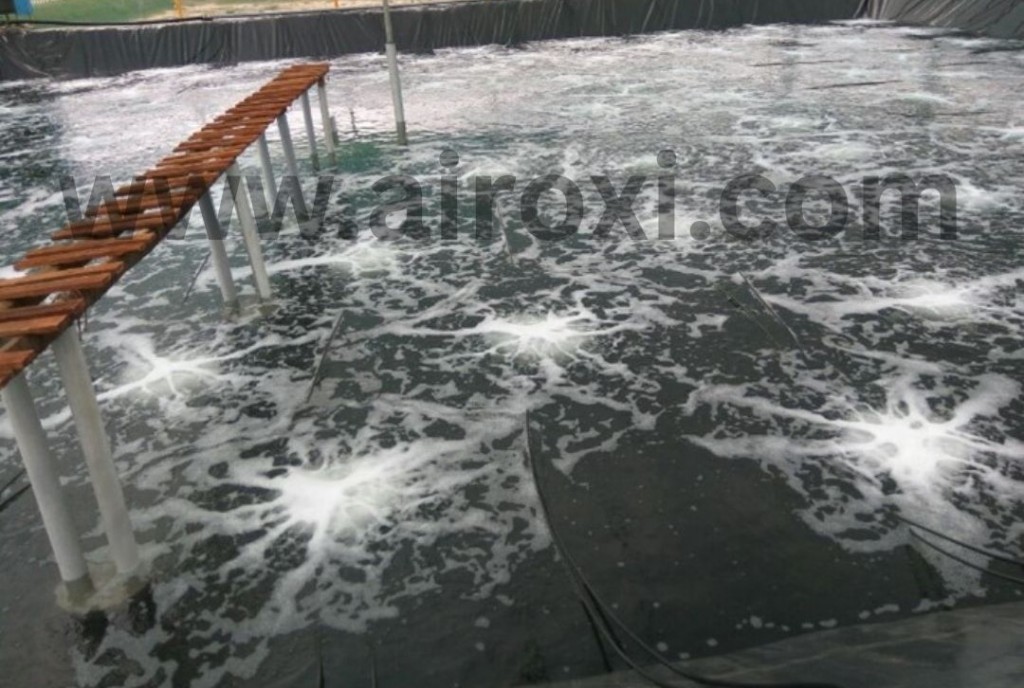
Why Is Aeration More Important in Shrimp Nurseries?
Nurseries have:
- Very high stocking density
- High feeding frequency
- Rapid waste accumulation
Young shrimp stay close to the bottom and are sensitive to:
- Oxygen fluctuations
- Strong water currents
Gentle, uniform aeration near the bottom improves:
- Survival rate
- Growth uniformity
- Stress resistance during moulting
Can Too Much Aeration Stress Shrimp?
Yes.
Excessive or poorly designed aeration can:
- Create strong currents
- Increase shrimp energy loss
- Cause physical stress or injury
Effective aeration should:
- Supply oxygen evenly
- Maintain gentle circulation
- Avoid disturbing feeding and resting behaviour
More turbulence does not always mean better oxygenation.
Why Does Feed Waste Accumulate Even with Aerators Running?
This happens when:
- Aeration is concentrated in one area
- Pond circulation is uneven
- Bottom zones remain stagnant
Proper aeration helps:
- Prevent sludge compaction
- Keep organic matter from settling excessively
- Make siphoning and waste removal easier
Even oxygen distribution is key, not just aerator power.
Is Bottom Aeration Useful in Grow-Out Ponds?
Yes, especially during:
- Mid to late culture stages
- High biomass periods
- Nighttime and early morning hours
Bottom aeration helps:
- Maintain stable DO during peak demand
- Improve feed conversion ratio (FCR)
- Reduce disease risk linked to poor pond conditions
Many farms combine bottom aeration with surface aerators for best results.
Does Better Aeration Reduce Shrimp Disease?
Indirectly, yes.
Good aeration:
- Prevents toxic gas formation
- Improves pond hygiene
- Supports beneficial microbial activity
- Reduces stress on shrimp
Lower stress and cleaner pond bottoms result in better immunity and survival.
Is Aeration Power Consumption Always High?
Not necessarily.
Efficient aeration depends on:
- Bubble size
- Air distribution method
- Coverage area
Systems that distribute air evenly using fine bubbles often achieve:
- Higher oxygen transfer efficiency
- Lower energy consumption per kg of shrimp produced
What Is the Best Aeration Strategy for Shrimp Farming?
There is no single aerator that fits all farms, but the most effective strategy usually includes:
- Uniform oxygen distribution
- Oxygen availability at the pond bottom
- Gentle circulation suitable for shrimp behaviour
- Scalable aeration as biomass increases
Farms that focus only on surface oxygen often face problems later in the cycle.
Final Thoughts for Shrimp Farmers
If you are facing issues like:
- Low DO at night
- Black pond bottoms
- Uneven shrimp growth
- High FCR
- Sudden mortality during peak biomass
The problem is often not lack of aerators, but how and where oxygen is delivered.
Improving bottom-level oxygen and uniform aeration can dramatically improve pond performance in both nurseries and grow-out systems.
CONTACT US
🌐 www.airoxi.com
📞 +91 70410 04098 |
📧 info@airoxi.com



 WhatsApp us
Leave A Comment